
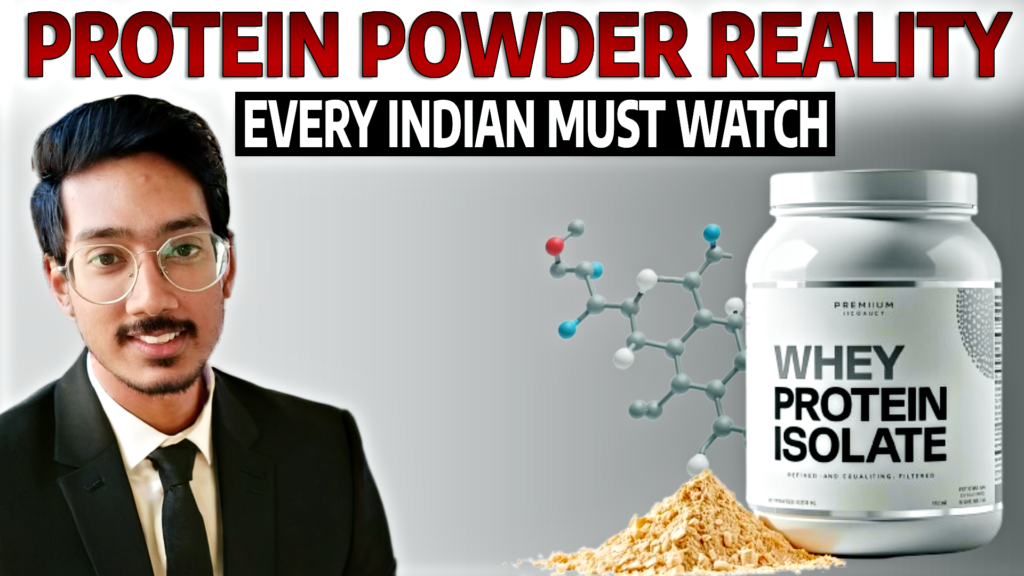
Are you confused about whey protein? Maybe you’ve heard things like “It damages your liver and kidneys” or “It causes bloating” or “It’s just a powder, not real food.” I know these doubts are everywhere. People keep throwing opinions, and you end up stuck between fear and curiosity.
But here’s the truth: your health decisions should never depend on random opinions. They should depend on logic, science, and facts. So today, let’s clear all the confusion around whey protein—once and for all. By the end of this article, you’ll have a clear answer, backed by science, and you’ll feel confident enough to make your own decision.
Watch the detailed video of this article on Youtube- https://youtu.be/dqaoH6Byslo
What Exactly is Whey Protein?
The first problem is that most people don’t even know what whey protein actually is. Many think it’s an artificial chemical powder. But the reality is far more simple.
Think about it—have you ever made paneer at home? When you boil milk and add lemon or vinegar, the milk splits. The solid part is paneer, and the leftover liquid is whey. Yes, that same liquid which people usually throw away is whey.
Now, when that whey liquid is filtered and dried, you get whey protein powder. That’s it. No chemicals, no steroids—just another milk product. Whey protein is as natural as paneer or curd, just in a different form.
Common Myths and Doubts About Whey Protein
Everyone has questions. Let’s tackle the biggest myths one by one and see what science actually says.
1. Does Whey Protein Damage Your Kidneys or Liver?
Science is very clear here. For healthy people, whey protein is completely safe. Research has proven again and again that normal protein intake does not damage your kidneys or liver.
The only exception is if someone already has kidney disease. In that case, any high-protein diet—not just whey—puts stress on the kidneys. That’s why kidney patients are advised to follow a low-protein diet. So remember, the issue isn’t whey protein. It’s the medical condition itself.
2. Does Whey Protein Cause Bloating or Digestion Issues?
Yes, some people feel discomfort. But that usually happens if you’re lactose intolerant. Since whey comes from milk, it contains lactose.
The solution is simple:
- Choose whey protein isolate (less lactose, easier to digest).
- Or try plant-based proteins like pea protein.
So the problem isn’t whey itself, it’s just about choosing the right type for your body.
3. Is Whey Protein Addictive?
This is pure myth. Whey is just a food source, like dal, paneer, or rajma. Can dal or paneer be addictive? Of course not. Neither can whey.
4. Does High Protein Intake Harm Health?
Anything in excess is harmful. Even water can be dangerous if you drink too much. The same goes for protein.
For a normal person:
- Without heavy physical activity → 1 to 1.2 g protein per kg of body weight.
- With regular workouts or fitness goals → 1.5 to 2 g protein per kg of body weight.
If you stay within these limits, you have nothing to worry about.
Why Whey Protein is So Beneficial
Now let’s look at the positive side. Science considers whey protein one of the most effective supplements in the world.
High Biological Value
This means your body absorbs whey protein very efficiently. If you eat 100 g of whey protein, your body makes use of almost all of it. Very few foods have such high bioavailability.
Muscle Recovery and Growth
Protein is the building block of muscles. After a workout, your muscles need repair and recovery. Whey provides high-quality protein quickly, helping you recover faster and build strength.
Weight Loss Support
Protein helps you feel full for longer. That means fewer cravings, better appetite control, and protection against muscle loss while losing fat. So whey protein not only helps in muscle gain but also in fat loss.
How to Use Whey Protein the Right Way
Now comes the most important part—how should you actually use whey protein?
Food First, Supplement Second
Your first priority should always be whole foods. A balanced diet with protein, carbs, fats, fiber, and micronutrients is the foundation of good health. Whey protein is just a supplement, not a replacement for real food.
Use whey protein only when:
- You cannot meet your protein needs from food alone.
- You want a quick and convenient option (like after a workout or when you’re busy).
Practical Guidelines
- Timing: Most people prefer whey post-workout, but you can take it any time of the day when your diet falls short.
- Dosage: Usually 1–2 scoops per day, depending on your total protein goal.
- Precautions: If you have kidney disease or any serious medical condition, consult your doctor first. Otherwise, whey is safe.
Quick Answers to Common Questions
- Is whey protein only for gym people?
No. It’s for anyone who struggles to meet protein needs from diet. - Is whey protein safe for kids?
Yes, but usually not required. Kids can meet their protein needs through food. Supplements may push them into excess. - How much whey protein can you take in a day?
1–2 scoops is enough for most. If you need more, fix your diet instead of relying only on whey. - Any side effects?
No side effects for healthy people. Only those with lactose issues may feel bloating (solution: whey isolate or plant protein). - Concentrate vs Isolate?
Both are whey. Concentrate has 70–80% protein plus some carbs and lactose. Isolate has 90–95% pure protein and is better for people with digestion issues. - Is whey safe for women?
Absolutely. Protein needs are universal. Women need it just as much as men, just in smaller quantities.
Conclusion
So next time someone says, “Don’t eat that powder, it’s harmful”, you’ll know the truth. Whey protein is safe, natural, and effective. But remember—food comes first. Focus on a balanced diet, and then add whey protein only if your diet falls short.
Your health deserves clarity, not confusion. And now you have it.
If you want want a personalized diet plan or want to train with me, book your slot now!
Next Read-
How To Sleep Better? The Most Powerful Tips- https://kayakalpalife.com/how-to-sleep-better-the-most-powerful-tips/
Amazing information regarding whey protein
Whey protein ke baare mein sabhi doubt clear ho gaye aur kitna jaruri hai ham sab ke liye ye aaj pata chala 👍
Very informative 👍